Power BI and Microsoft Fabric How-To Guides
Data Analytics
Data Analytics Guides
This is the how-to shelf of the Allston Yale knowledge base. When you already know what you want to build and need to do it well, start here: implementation best practices, migration roadmaps, cost and capacity guidance, and industry-specific dashboard guides for the sectors we work in. These are the answers we give clients most often, written down without the sales spin.

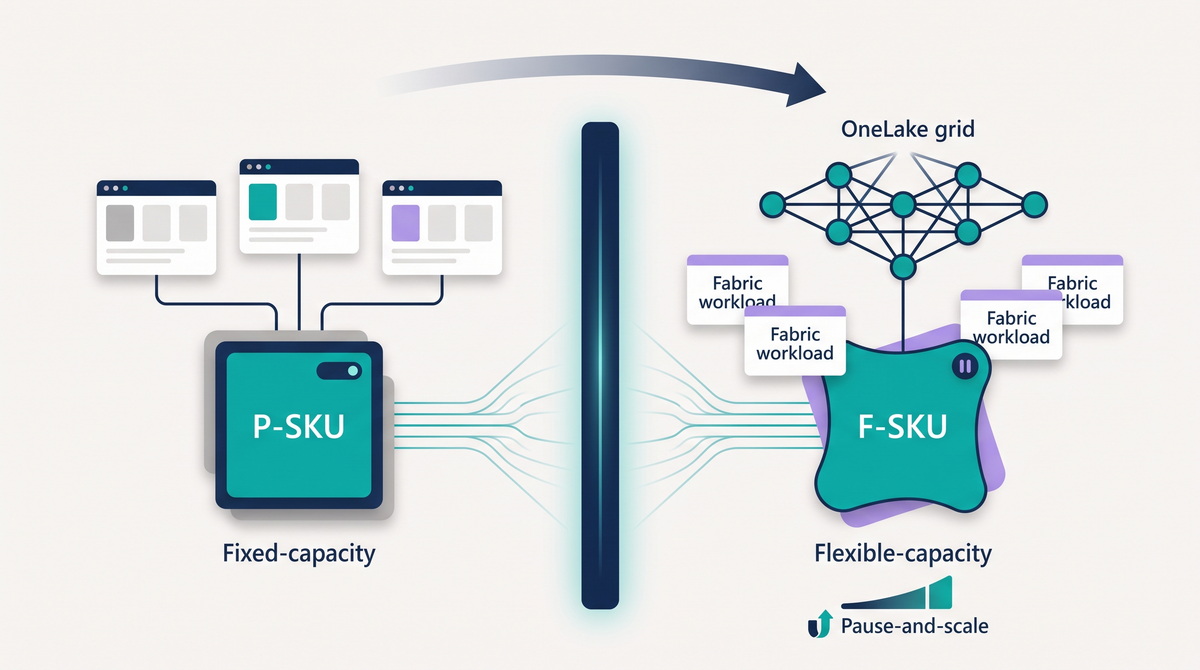
Power BI Pro vs Premium vs Fabric
Power BI licensing confuses almost everyone, and for good reason: the tiers overlap, the names have changed, and the pricing pages leave out the numbers that decide the choice. The...
Lakehouse vs Warehouse in Microsoft Fabric
Microsoft Fabric gives you two ways to store and query structured data: a lakehouse and a warehouse. They look similar from a distance, both hold tables, both answer SQL, both...
Why BI Projects Fail
Most business intelligence projects don't deliver what they promised. Dashboards get built, launched, and then slowly abandoned, and the decisions they were meant to improve keep getting made on gut...
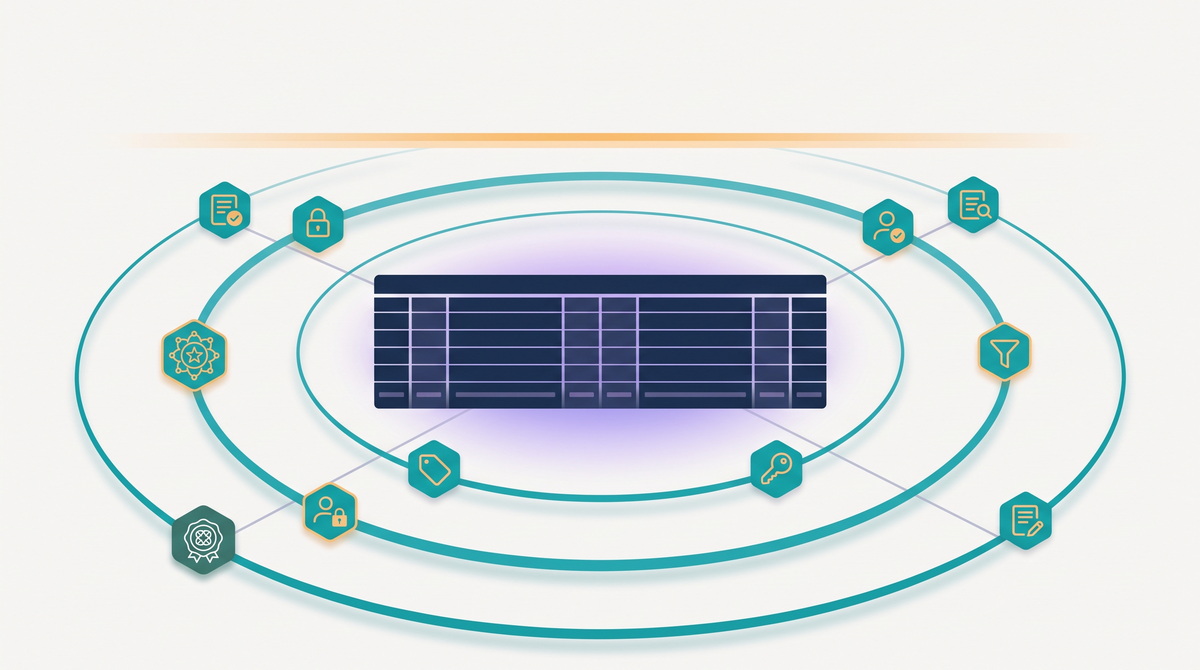
Row-Level Security in Power BI
Row-level security, or RLS, is how you make one Power BI report show each person only the rows they're allowed to see: a regional manager sees their region, a client...
Power BI Deployment Pipelines
Power BI deployment pipelines are a built-in way to move reports and models through separate development, test, and production environments, so you can ship changes without editing the live report...
What Is OneLake?
OneLake is Microsoft Fabric's built-in data lake: a single, organization-wide place where all your data lives, automatically, without your team standing up storage or wiring engines together. If your data...
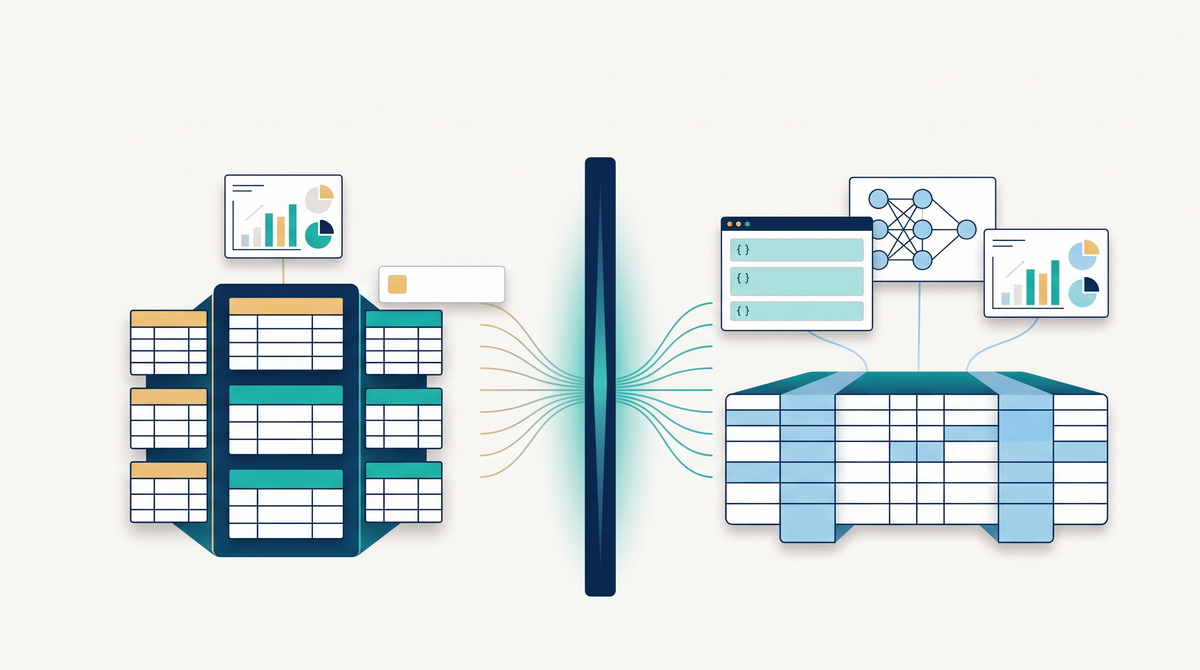
Star Schema vs Flat Tables
If your Power BI reports are slow, the file is enormous, and your DAX keeps getting more tangled, the shape of your data model is usually to blame. Most slow...
Direct Lake Explained
Direct Lake is a Microsoft Fabric feature that lets Power BI read your data straight from storage and return answers at full speed, without the scheduled refresh that Import mode...
AI Readiness Assessment
AI readiness is a plain measure of whether your data is clean, organized, and secure enough for tools like Microsoft 365 Copilot and custom AI agents to use well and...
Power BI Pro vs Premium vs Fabric
Power BI licensing confuses almost everyone, and for good reason: the tiers overlap, the names have changed, and the pricing pages leave out the numbers that decide the choice. The...
Lakehouse vs Warehouse in Microsoft Fabric
Microsoft Fabric gives you two ways to store and query structured data: a lakehouse and a warehouse. They look similar from a distance, both hold tables, both answer SQL, both...
Why BI Projects Fail
Most business intelligence projects don't deliver what they promised. Dashboards get built, launched, and then slowly abandoned, and the decisions they were meant to improve keep getting made on gut...
Row-Level Security in Power BI
Row-level security, or RLS, is how you make one Power BI report show each person only the rows they're allowed to see: a regional manager sees their region, a client...
Power BI Pro vs Premium vs Fabric
Power BI licensing confuses almost everyone, and for good reason: the tiers overlap, the names have changed, and the pricing pages leave out the numbers that decide the choice. The...
When a Guide Is Not Enough
Guides handle the cases most teams share; yours may be the exception. If part of the work is still a buying decision, the Platform Comparisons shelf covers which tool fits before you build.